
Mattress Longevity: Size, Body Weight & Sleep Position Factors
Have you ever wondered why your mattress seemed to lose its comfort and support much faster than expected? Many people blame the quality of the mattress alone, but the real reasons are often more complex. The secret to a durable, long-lasting mattress isn't just about the brand; it's a careful balance of its size, your body weight, and even how you sleep.
Understanding this relationship is crucial for making a wise investment in your sleep health. Choosing a mattress that is properly matched to your unique needs can dramatically extend its lifespan, saving you money and ensuring years of restful nights. This guide will explore how these three critical factors—size, weight, and sleep position—work together to determine mattress durability. We'll show you how to make a smarter choice for lasting comfort.
The Interplay of Mattress Size and Durability
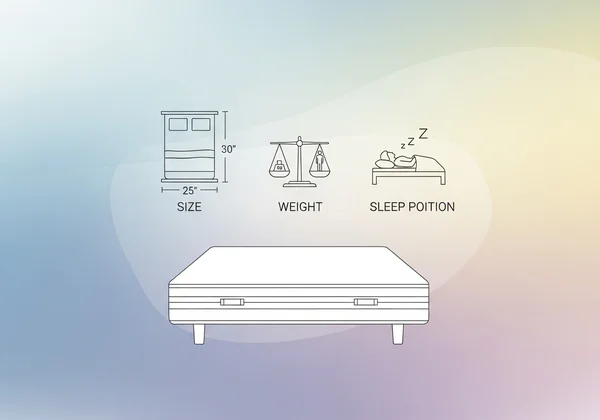
The dimensions of your mattress play a surprisingly large role in its overall longevity. It's not just about having enough room to stretch out; the surface area directly impacts how pressure and wear are distributed over time. A properly sized mattress lasts years longer. Go too small, and you’ll accelerate wear and tear.
Why Larger Mattresses Can Last Longer for Couples
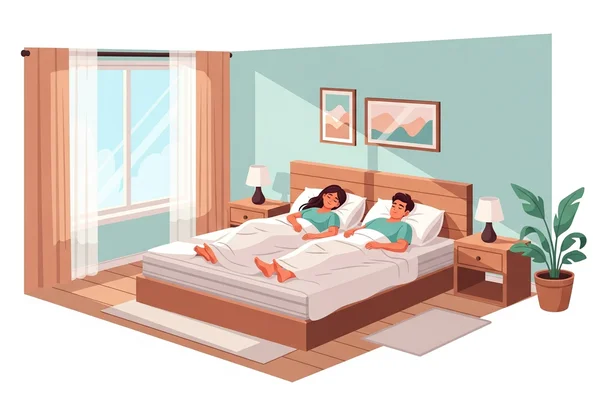
For couples, a larger mattress like a Queen or King is often a better long-term investment. The reason is simple physics: more surface area allows for better weight distribution. When two people share a bed, their combined weight is spread across the mattress. On a bigger bed, there is more space between the sleepers and the edges, reducing the strain on any single area.
Think of it this way: the pressure points are less concentrated. This prevents the foam or springs from fatiguing too quickly, which is what leads to sagging and indentations. A King size bed offers significantly more personal space than a Queen, meaning each person's impact on the mattress structure is minimized. This leads to more even wear and a longer functional life.
Impact of Undersized Mattresses on Wear and Tear
Choosing a mattress that is too small for you or for a couple can accelerate its decline. For example, when two people regularly sleep on a Full (or Double) bed, they are often forced to sleep near the edges. This places constant stress on the mattress's support system along the perimeter, which is often the weakest point.
This consistent edge pressure can lead to a breakdown of the foam encasement or border wire, causing the sides to collapse and feel unstable. Furthermore, with less room to move, the center of the mattress experiences concentrated wear from two bodies in close proximity. This results in premature sagging in the middle, creating a "hammock" effect that compromises comfort and spinal alignment.
How Body Weight Influences Mattress Wear and Support
Your body weight is one of the most significant factors affecting mattress lifespan and durability. Every mattress is engineered with specific materials designed to support a certain amount of weight. When the load exceeds what the materials can handle, they begin to break down much faster. This is why understanding the relationship between weight and mattress construction is key to finding a bed that will last.
Understanding Mattress Density and Material Resilience
The materials inside your mattress, like memory foam, latex, or innersprings, determine its resilience. For foam mattresses, density is a key indicator of durability. Higher-density foams have more material packed into them, making them more supportive and resistant to forming permanent body impressions. A low-density foam might feel comfortable at first, but it will degrade more quickly under the pressure of a heavier sleeper.
Similarly, for innerspring mattresses, the coil gauge (thickness of the wire) and coil count are important. A lower gauge number means a thicker, stronger wire that can provide robust support for many years. Choosing a mattress with materials appropriate for your body weight ensures it can properly support you without becoming overworked and worn out. To find a size built for your needs, you can get a recommendation based on your specific details.
Identifying Reinforcement Zones for Heavier Sleepers
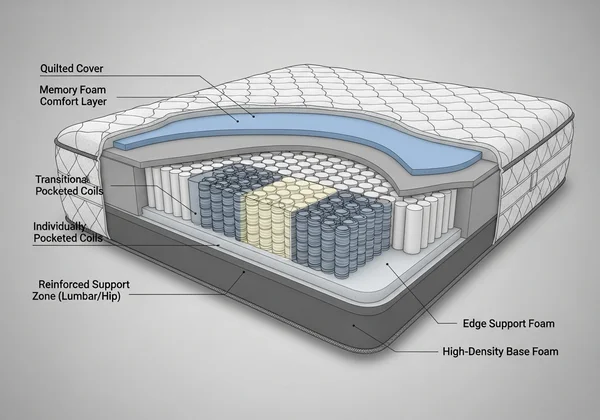
Many modern mattresses are designed with zoned support systems to enhance durability, especially for heavier individuals. These designs feature stronger or denser materials in the center third of the mattress, where most of our body weight is concentrated (particularly in the hip and lumbar area).
This targeted reinforcement prevents the mattress from sagging prematurely in the middle, which is a common point of failure. Heavier sleepers need mattresses with zoned support to avoid premature sagging. This isn’t just a luxury—it’s vital for spinal alignment and durability. Without it, the core support layers can break down, leading to discomfort and poor sleep quality.
Sleep Positions: Understanding Wear Patterns and Pressure Points
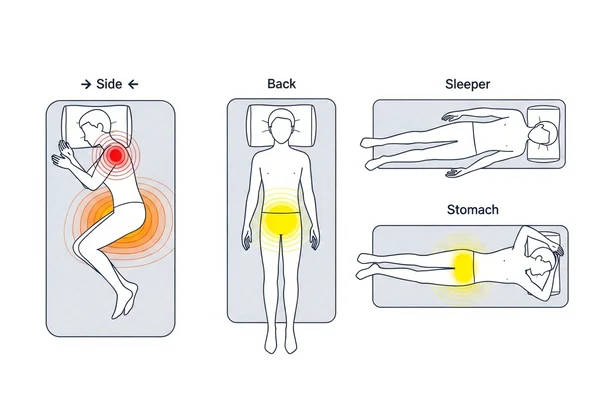
The way you sleep each night creates a unique pattern of wear on your mattress. Your preferred sleep position determines where your body exerts the most pressure, and over thousands of hours, this pressure leaves its mark. Recognizing these patterns helps explain why certain parts of a mattress may wear out faster than others.
Side Sleepers: Hip and Shoulder Pressure Effects
Side sleepers concentrate their body weight onto the relatively small surface areas of their shoulders and hips. This focused pressure can cause the comfort layers of a mattress to soften and dip more quickly in those specific zones. Over time, you might notice that the mattress feels less supportive right where you need it most.
For a side sleeper, a mattress must have a comfort layer thick and resilient enough to cushion these pressure points while still being durable enough to resist permanent indentations. For side sleepers, a thicker comfort layer like those in Queen-size mattresses can prevent indentations. Without adequate support and pressure relief, the mattress materials will fatigue, leading to a less comfortable and unsupportive sleep surface.
Back and Stomach Sleepers: Spinal Alignment and Core Support
Back and stomach sleepers tend to distribute their weight more evenly across the mattress than side sleepers. However, they still place significant stress on the center third of the bed, which must support the heaviest part of the body—the torso and hips.
For back sleepers, if the mattress core sags, their spine will fall out of its natural alignment, potentially leading to lower back pain. For stomach sleepers, a sagging center is even more problematic, as it can cause the spine to arch unnaturally. Back and stomach sleepers strain the mattress’s center. This stress speeds up wear in this critical zone.
Maximizing Your Mattress Investment: Practical Longevity Tips
Choosing the right mattress is the first step. The second is proper care. A few simple maintenance habits can significantly extend the life of your mattress, protecting your investment and ensuring you get the most out of it for years to come.
Regular Rotation and Proper Bed Frame Support
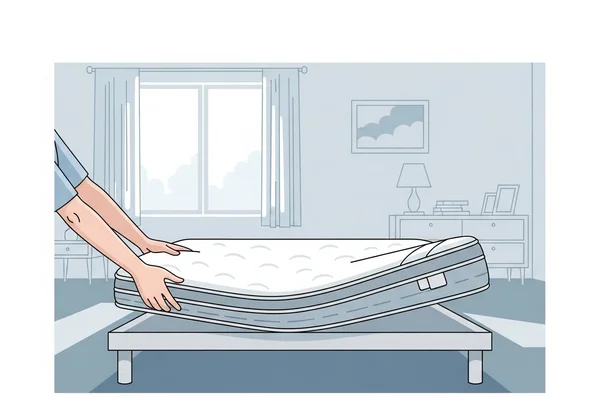
One of the easiest ways to promote even wear is to rotate your mattress regularly. For most new mattresses, you should rotate it 180 degrees (from head to foot) every three to six months. This changes the areas of the mattress that are subject to the most pressure, preventing deep body impressions from forming too quickly. Note that most modern one-sided mattresses should be rotated, not flipped.
Equally important is the foundation your mattress rests on. A weak or improper bed frame can cause the mattress to sag and break down. Always ensure you use one of the best bed frames for support with slats that aren't too far apart. A solid foundation is often required to keep your mattress warranty valid.
When to Consider a Mattress Upgrade
Even the best-cared-for mattress won't last forever. The average lifespan is 7-10 years, but you should pay more attention to performance than the calendar. It’s time for an upgrade if you notice significant sagging or visible indentations where you sleep, even when no one is in bed.
Other signs include waking up with new aches and pains, hearing creaks or pops from the springs, or simply not feeling rested. If you find you sleep better in a hotel bed or on the sofa, it's a clear signal that your mattress is no longer providing the support you need. Making the right choice for your next bed is crucial, and a great place to start is with a personalized recommendation.
Find Your Perfect Match for Lasting Comfort
A mattress is one of the most important investments you'll make for your health and well-being. Ultimately, your mattress’s durability hinges on three key factors:
- A larger mattress distributes weight more effectively, reducing concentrated wear and tear, especially for couples.
- Your body weight dictates the necessary density and resilience of the mattress materials required for long-term support.
- Your sleep position creates specific wear patterns, highlighting the need for a mattress that can withstand pressure on key areas like the hips, shoulders, and lower back.
Choosing a mattress without considering these factors is a gamble. You might end up with a bed that breaks down years too soon, costing you money and quality sleep.
Instead of guessing, you can make an informed decision. The intelligent recommendation tool on BedSizes.net is designed to analyze these very factors for you. By entering your height, weight, sleep position, and more, you can get a personalized recommendation for the mattress size that is perfectly engineered for your body and sleep habits, ensuring a durable and comfortable investment for years to come.
Frequently Asked Questions About Mattress Longevity & Size
What size bed should I get to maximize its lifespan?
There is no single "best" size for everyone, as longevity depends on your personal circumstances. For solo sleepers, a size that allows you to move around without stressing the edges (like a Full or Queen) is ideal. For couples, a King or California King is almost always a better choice for durability because it provides ample space to distribute weight evenly and minimize wear. The most effective way to know for sure is to get a recommendation based on your specific data.
Is a full bed big enough for two, and how does that affect its durability?
While two adults can physically fit on a Full (Double) bed, it is not recommended for long-term use. Each person only gets about 27 inches of space, which is less than a crib mattress width. This forces both sleepers to the edges, causing the support structure to break down quickly. The concentrated weight in a small area will also lead to premature sagging in the middle, significantly shortening the mattress's effective lifespan. See our bed size chart for exact dimensions.
How do body weight and sleep position influence recommended mattress size and longevity?
They are crucial because they directly impact how and where your mattress wears down. Heavier individuals require mattresses with denser foams or stronger coils to prevent premature breakdown. Likewise, a side sleeper puts intense pressure on their hips and shoulders, requiring different support than a back sleeper. Our intelligent tool uses this information to recommend a size that not only fits you comfortably but is also robust enough to handle your specific support needs over the long term, maximizing its durability.