
Do Twin Sheets Fit Twin XL Dorm Beds?
This is one of the easiest dorm shopping mistakes to make. The package says Twin. The mattress looks like a Twin. The listing is cheap and easy to order. Then move-in day arrives, and the fitted sheet keeps popping off the corners.
The problem is not usually width. It is length. Twin and Twin XL look similar on paper, but that extra stretch matters once a fitted sheet has to wrap the mattress correctly.
That is why a quick bed size reference guide can save time before you buy. When shoppers confirm the mattress dimensions first, they can usually avoid the most common dorm bedding mistake.
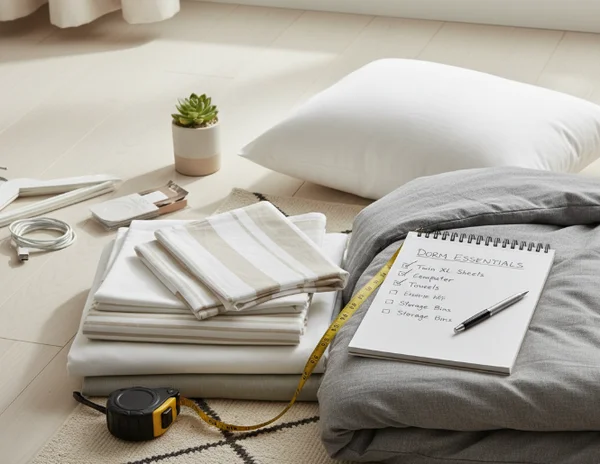
Why This Bedding Mistake Keeps Happening Before Move-In Day
Why do shoppers assume Twin and Twin XL are close enough?
Most people hear "Twin XL" and picture a minor variation. That sounds harmless until they start buying fitted sheets, toppers, mattress protectors, and backup sets. The closer two sizes sound, the more likely shoppers are to assume the bedding will stretch enough to cover the difference.
That guess sometimes works for a flat sheet. It usually fails faster with fitted sheets, because fitted corners have less room to hide size problems.
Twin vs Twin XL Dimensions That Actually Matter
What is the 5-inch length gap shoppers overlook?
A University of Oregon housing measurement sheet lists a regular Twin mattress as 75 in x 36 in. The same sheet lists a Twin XL mattress as 80 in x 36 in (University of Oregon housing PDF). That means the width stays the same, but Twin XL adds 5 inches of length.
That single change is exactly why fitted sheets become tricky. A regular Twin fitted sheet may seem close enough in the package. But 5 inches is a real gap once the elastic has to grip the corners and stay put overnight.
Why do fitted sheets feel the mismatch first?
Flat sheets have more forgiveness because they drape. Fitted sheets have to match the shape of the mattress much more closely. If the mattress is longer than the fitted sheet expects, one corner or one side often lifts first.
That is why shoppers who say "the top sheet looked fine" can still end up annoyed by the fitted sheet every night. The mismatch shows up in the part of the bedding that has the least extra material.
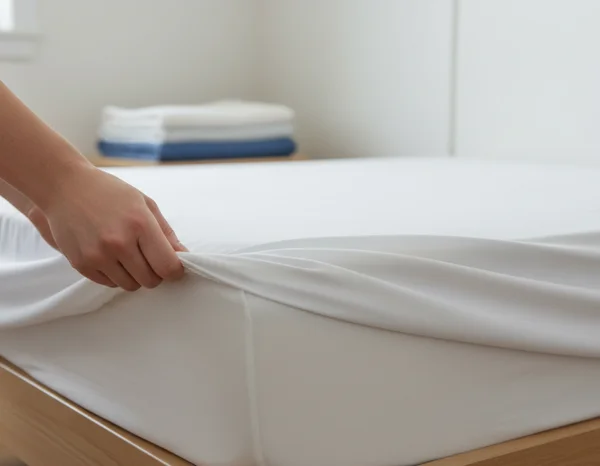
When Regular Twin Sheets Might Work and When They Do Not
Why are flat sheets, fitted sheets, and toppers different problems?
If the question is only about a top sheet, a regular Twin set may sometimes feel workable. If the question is about fitted sheets, mattress protectors, or toppers, the safer answer is usually Twin XL. Those products depend more on exact corner fit and mattress length.
Ithaca College says its residential rooms use Twin XL beds with mattresses measuring 36 in x 80 in x 7 in (Ithaca College housing page). It also tells students to bring their own sheets and bedding. That is a good reminder that dorm shopping should start with the mattress measurements, not with guesswork from the label.
Which dorm scenarios waste the most money?
The most expensive mistake is buying a full bedding bundle before checking the school housing page. A close second is reusing old Twin bedding from home and hoping it will stretch. If the fitted sheet pulls loose, the mattress protector bunches, or the topper slides, the shopper often ends up rebuying the most important pieces anyway.
This is where a quick mattress dimension check saves more money than a rushed bargain. The first question should always be the actual dorm mattress size, not the sale price of the bedding set.
A related mistake is assuming every piece has the same fit rules. A comforter may look acceptable even when it is not a perfect match. A topper or fitted protector will show the error faster. Thinking in layers helps shoppers decide where exact fit matters most.
How to Shop Faster With a Size-First Checklist
What should you measure before buying bedding?
Start with three basics: mattress length, mattress width, and whether the housing page calls it Twin or Twin XL. If the room page also lists mattress depth, that helps with fitted sheets and protectors too.
Then separate the shopping list into categories. Fitted sheet, mattress protector, and topper need the closest match. Flat sheets, blankets, and comforters have more flexibility. This is the fastest way to avoid buying the wrong item twice.
Parents and students can also divide the list into "must fit now" and "nice to confirm later." The must-fit list is simple: fitted sheet, protector, topper. The more flexible list includes top sheets, throws, and decorative bedding. That quick sorting step can reduce overbuying before move-in.
When should you default to Twin XL instead of guessing?
UNC Charlotte Housing lists Twin XL mattresses as 36 in x 80 in (UNC Charlotte housing dimensions). When one school after another uses the same 36 x 80 standard, the safer dorm-shopping assumption is simple: if the college bed is labeled Twin XL, buy Twin XL fitted bedding first.
That does not mean every bedding item must be exact. It does mean the fitted pieces should match the dorm mattress size unless the school says otherwise. A bed size comparison page is most useful when it helps shoppers confirm that decision before checkout.

Next Steps: A Simple Rule for Buying Dorm Bedding the First Time
What should you remember before you click buy?
If the mattress is Twin XL, buy Twin XL fitted sheets. Check the housing page before assuming old Twin bedding will work. Use a quick dorm bedding size check if you need one last comparison before ordering. Treat flat sheets and blankets as the flexible pieces, and treat fitted products as the ones that need the closest match.
That simple rule prevents the most common dorm bedding mistake. And once the mattress size is confirmed, the rest of the shopping list gets easier much faster.