
Bedroom Layout Guide: Arrange Your Space Around Bed Sizes
Walking into a cramped or cluttered bedroom can instantly raise your stress levels. Have you ever wondered why some rooms feel like a luxury hotel while others feel like a storage closet? The secret usually lies in how the furniture relates to different bed sizes. A bed is the heart of the room, but if its dimensions don't match your square footage, even the most expensive decor won't save the layout.
Designing a functional bedroom starts with one critical question: How does my bed size impact the rest of the space? Many people buy a mattress first and worry about the layout later. This often leads to problems like doors that won't fully open or nightstands squeezed into corners. To avoid these common mistakes, check your size requirements before you start moving heavy furniture.
Let's dive into how to arrange your bedroom perfectly based on your mattress dimensions. You'll learn the "golden rules" of traffic flow, how to maximize small spaces, and how to create a master suite that feels balanced. By the end, you'll have a clear plan for your renovation or room refresh.
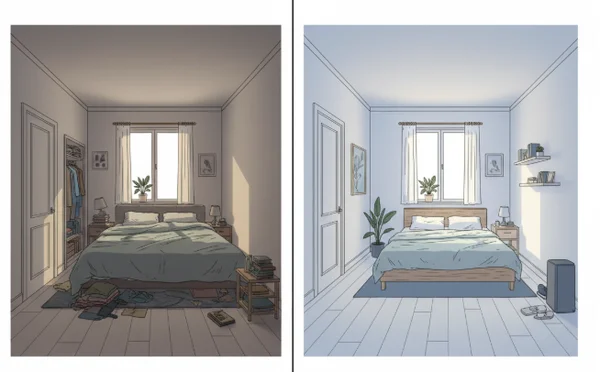
Understanding Mattress Dimensions for Optimal Room Layout
Before you start rearranging your bedroom, get clear on exactly how much space your bed takes up. A mattress isn't just a rectangular object; it's a "station" that requires a specific amount of clearance on all sides. When you know the exact mattress dimensions of your bed, you can begin to map out where the dresser, desk, and rug should go. When comparing different bed sizes, think about how much "breathable" space you'll have left for other furniture.
King vs Queen Bed Size: Room Requirements and Placement
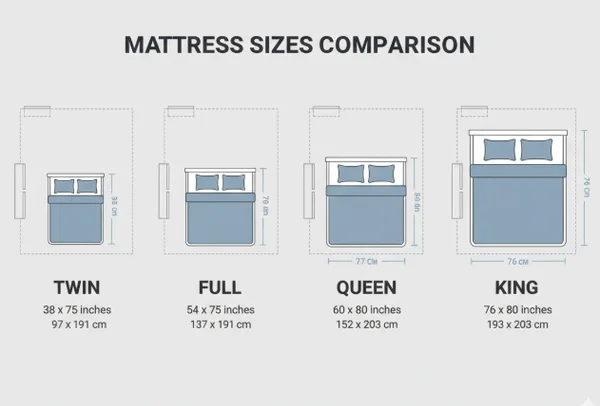
Standard bed sizes vary significantly in how much floor space they consume. A Twin bed is perfect for narrow rooms, usually measuring 38 inches by 75 inches (about 96.5 x 190.5 cm). While it takes up very little space, it's only suitable for single sleepers. On the other end of the spectrum, a King size bed measures 76 inches by 80 inches (193 x 203.5 cm). This is essentially two Twin beds pushed together.
A Full size bed (54 x 75 inches) might seem spacious, but it's often a poor choice for couples. That's because it only provides 27 inches of width per person—barely enough for comfortable sleep. The Queen size (60 x 80 inches) is the most popular choice because it fits well in most standard bedrooms while providing enough room for two people. If you're tall, you might look at a California King, which is narrower but longer than a standard King. Before committing to a purchase, you can use a bed size tool to see which footprint actually fits your lifestyle and height.
Minimum Room Size Recommendations by Bed Type
Not every bed belongs in every room. To maintain a comfortable environment, you should follow minimum room size guidelines. For a Twin or Twin XL bed, a room that's at least 7 x 10 feet is manageable. However, if you want to include a desk or a dresser, 9 x 10 feet is much better.
For a Queen bed, the absolute minimum room size is 10 x 10 feet. In a 10 x 10 space, a Queen bed will be the dominant feature, leaving only about two feet of walking space on either side. If you're dreaming of a King size bed, your room should ideally be 12 x 12 feet or larger. A King bed in a 10 x 12 room often feels overwhelming and restricts your ability to place other furniture like armoires or vanity tables.
Strategic Bed Placement and Traffic Flow
Once you've chosen the right size, you need to decide where it sits. Strategic placement is about more than just aesthetics; it's about how you move through the room in the middle of the night or while getting ready in the morning. Choosing between different bed sizes affects more than just your sleep; it dictates your entire morning routine. A good layout creates a natural "path" that remains unobstructed.
Optimal Bed Positioning Techniques
The most common and effective position for a bed is against the center of the longest wall. This allows for "symmetry," which is naturally pleasing to the human eye. By placing the headboard against the main wall, you create space for nightstands on both sides. This is vital for couples so that one person doesn't have to climb over the other to get out of bed.
Avoid placing the bed directly in line with the bedroom door if possible. In many cultures and design philosophies, this is considered unsettling. Instead, try to place the bed on a wall that's diagonal to the door. This provides a sense of privacy and security. If your room has a beautiful view, you might consider a smart recommendation for a bed size that allows you to angle the bed toward the window without blocking the walkway.
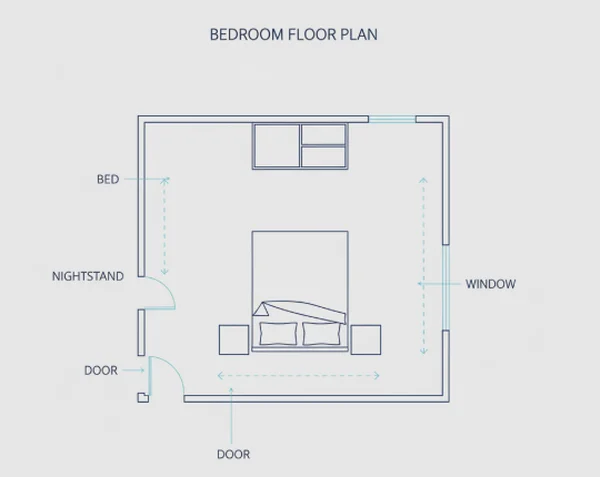
Creating Clear Pathways Around Your Bed
The "Goldilocks" zone for walking space around a bed is between 24 and 36 inches. Anything less than 24 inches will feel like a tight squeeze, especially when you're carrying laundry or changing the sheets. If you have a King size bed, you should aim for the higher end of that range to maintain the room's grand feel.
Traffic flow also involves "swing space." Remember to account for the distance needed to open dresser drawers or closet doors. If your bed is too close to the closet, you might find yourself unable to open the doors fully. In small rooms, consider using sliding closet doors or a bed frame with built-in storage drawers to save every possible inch of floor space.
Furniture Placement for Different Bedroom Sizes
Different room sizes require different strategies. You can't treat a studio apartment the same way you treat a suburban master suite. Each space has a unique "capacity" that dictates what furniture can stay and what must go.
Small Bedroom Layout Strategies
In small bedrooms, every inch is a premium. The goal is to maximize vertical space and keep the floor as clear as possible. If you're working with a Full or Twin bed, try pushing the bed into a corner to open up the center of the room. While this makes it harder to make the bed, it creates a much larger play or work area. Comparing various bed sizes for small rooms requires a bit of Tetris-style thinking to ensure you don't block essential vents or outlets.
Another strategy for small rooms is to use multifunctional furniture. Instead of two bulky nightstands, use one small table and one desk that doubles as a bedside surface. Mirrors are also a designer's best friend in tight quarters. A large floor mirror placed across from a window can make a small room feel twice its actual size. Before buying small-space furniture, calculate mattress size needs to ensure you aren't sacrificing sleep quality for a slightly larger desk.
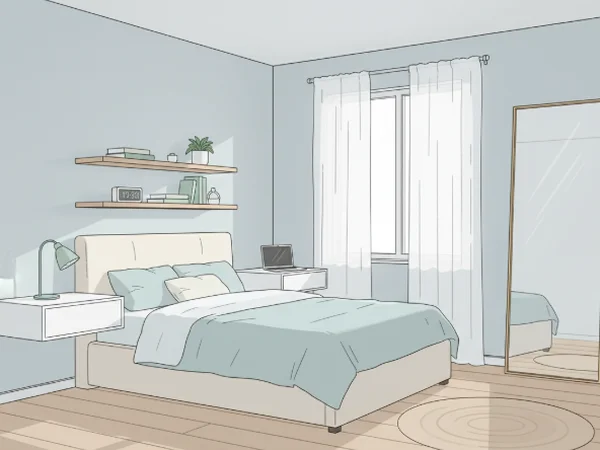
Master Bedroom Layout Considerations
Master bedrooms are designed for more than just sleep. They're often used for reading, relaxing, or even working. Because you have more square footage, you can introduce "zones." For example, you might place a pair of armchairs and a small rug in a corner to create a reading nook.
In a large room, a Queen bed can sometimes look "lost." This is where a King or California King shines. To balance the large bed, use larger nightstands and a substantial headboard. If there's extra space at the foot of the bed, an upholstered bench or a storage ottoman can add both style and functionality. These pieces help anchor the bed in the center of the room and provide a place to sit while putting on shoes.
Aesthetic Balance and Design Harmony
A bedroom should feel like a sanctuary. Creating this balance requires matching your furniture to your room size. When furniture is too big, the room feels cramped. When it's too small, the space feels cold and empty. Selecting the right furniture for various bed sizes is key to a cohesive and intentional look.
Scale and Proportion in Bedroom Design
Scale is the most important concept in interior design. It refers to how an object relates to the size of the space it occupies. A massive, dark-wood King bed frame in a tiny room will look disproportionate and clunky. Conversely, a thin metal Twin frame in a high-ceilinged master suite will look flimsy.
To achieve harmony, match the "weight" of your furniture. If you have a high mattress with a thick topper, you need taller nightstands so you aren't reaching down to grab your phone or water glass. For the most visually pleasing setup, match your nightstand height to your mattress top. This creates a continuous horizontal line that's very soothing to the eye.
Color and Texture Coordination Around Your Bed
Your bed is the visual focal point, so use color and texture to draw the eye. In a small room, using light colors for the bedding and walls can help the space feel airy. In a larger room, you can afford to use darker, moodier tones or heavy textures like velvet and wool to make the space feel cozy.
Don't forget the rug. A rug that's too small for the bed size will make the room look fragmented. For a Queen or King bed, the rug should be large enough to sit under the bottom two-thirds of the bed and extend at least 18 inches on either side. This creates a soft landing for your feet in the morning and ties the whole furniture arrangement together.
Conclusion
Arranging your bedroom is a balancing act between the furniture you love and the space you have. By understanding the footprint of your mattress and respecting the rules of traffic flow, you can turn any room into a functional and beautiful retreat. Remember that the best layout always begins with accurate measurements and a realistic understanding of your needs.
Don't guess when it comes to your comfort. Before you start rearranging your furniture or purchasing a new frame, get your recommendation for the perfect mattress size based on your room dimensions and personal habits. A little planning today will lead to much better sleep tomorrow.
The Takeaway
How much space should I leave around my bed?
For optimal comfort and movement, you should aim for at least 24 to 36 inches (60 to 90 cm) of open space on the sides and foot of the bed. This allows you to walk freely and change the bedding without hitting walls or other furniture. If you're in a very tight space, 18 inches is the absolute minimum, but it'll feel quite cramped.
Can I put a bed under a window?
Yes, you can, but there are things to consider. Placing a bed under a window can create a beautiful focal point, especially with a low headboard. However, you may deal with drafts in the winter or noise from outside. Ensure your headboard doesn't block too much natural light, and use high-quality window treatments to manage light and privacy.
What's the best orientation for a bed in a small room?
In a small room, the best orientation is usually against the longest wall or tucked into a corner. If the room is very narrow, placing the bed at the far end of the room perpendicular to the long walls can help "square off" the space. You can try our free tool to see which bed size fits best in smaller orientations.
How do I arrange furniture in a rectangular bedroom?
Rectangular rooms are often best handled by "zoning." Place the bed at one end of the rectangle to create a sleeping zone. Use the remaining space at the other end for a dresser, a desk, or a seating area. This prevents the room from feeling like a long, narrow hallway and makes better use of the length.
What size bed fits best in a 10x12 room?
A Queen size bed is usually the best fit for a 10x12 foot room. It leaves plenty of space for two nightstands and a dresser while still allowing for comfortable walking paths. While a King bed can technically fit, it'll leave very little room for any other furniture and may make the space feel crowded.