
Accessible Mattress Sizes: Finding Comfort for All Mobility Needs
Imagine struggling to get out of bed every morning because your mattress height makes transfers painful, or watching a loved one risk falls due to poorly planned sleeping arrangements. At BedSizes.net, we believe accessible bed sizes shouldn’t be a luxury—they’re essential for independence and dignity. This guide demystifies how to choose mobility-friendly mattress dimensions that align with your unique needs. Ready to transform your sleep experience? Try our free smart recommendation tool for personalized advice.
Understanding Accessibility Requirements in Mattress Selection
Choosing an accessible mattress isn’t just about size—it’s a calculated balance of support, transfer ease, and spatial logistics.
Key Mobility Factors to Consider When Choosing a Bed
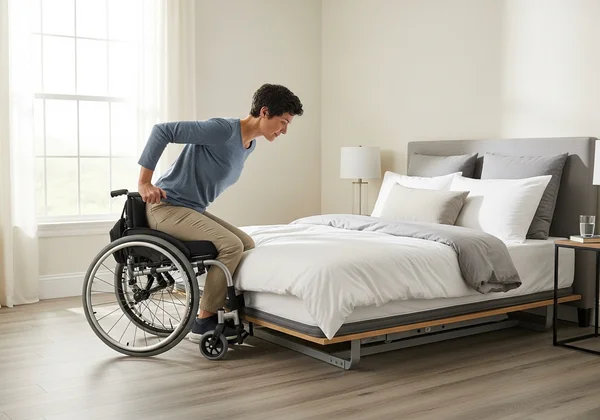
- Transfer Height: Ideal bed heights range between 20"-24" (51-61cm) for wheelchair transfers. This critical measurement impacts both safety and independence.
- Bedside Clearance: Allow at least 36" (91cm) width beside the bed for mobility aids or caregiver access.
- Weight Distribution: Heavier individuals may require reinforced edges (≥2" thicker) or low-motion-transfer materials for safer repositioning.
For precise calculations tailored to your wheelchair or walker specifications, use our recommendation tool to factor in equipment dimensions.
How Sleep Position Affects Bed Accessibility Needs
- Side Sleepers: Require wider beds (Queen+) for arms-out positioning to avoid pressure sores.
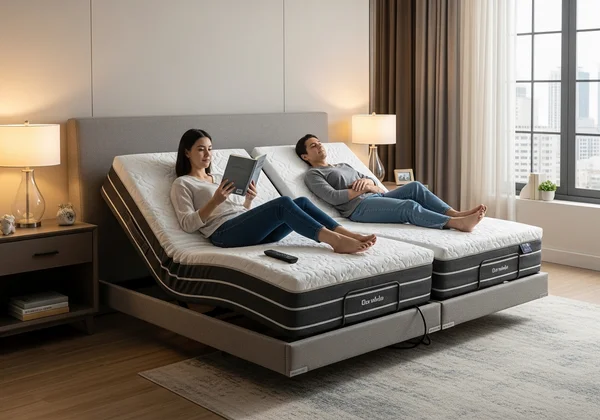
- Limited-Mobility Back Sleepers: Benefit from split king mattresses allowing individual head/feet elevation—vital for edema management.
- Couples with Differing Needs: A dual-zone adjustable base with independent controls prevents disruptive movements.
Optimal Mattress Heights for Different Accessibility Needs
Bed height directly impacts fall risks, ease of transfer, and long-term joint health. Standard bed frames often fail mobility-challenged users.
Ideal Bed Heights for Seniors and Aging in Place
| User Profile | Recommended Height | Why It Matters |
|---|---|---|
| Independent Walker | 22"-24" (56-61cm) | Reduces knee strain during sit-to-stand movements |
| Wheelchair User | Match wheelchair seat height ±1" | Minimizes dangerous transfers |
| Care Recipient | Adjustable 16"-30" range | Accommodates varying caregiver heights |
Our bed height calculator personalizes these measurements using your body proportions and mobility devices.
Adjustable Height Beds: Pros and Cons for Various Mobility Levels
✅ Pros:
- Lower nighttime fall risks by bringing mattress closer to floor
- Simplify repositioning for arthritis sufferers via head/foot elevation
- Aid caregivers in hygienic tasks with under-bed clearance
❌ Cons:
- Add ~12" (30cm) to standard mattress thickness—problematic for low ceilings
- May require specialized foundation incompatible with traditional frames
Get an adjustment-friendly size recommendation that accounts for these factors.
Mattress Size Considerations for Accessibility and Caregiving
Bigger ≠ better in accessible sleep spaces. Strategic sizing prevents obstacles while maximizing comfort.
How Larger Mattress Sizes Impact Caregiver Access
- California King (72"x84"): Extra length helps tall individuals stretch comfortably, but its narrow width may complicate turning assistance.
- Standard King (76"x80"): Ideal width for two caregivers aiding transfers but requires ≥12'x12' (3.7mx3.7m) bedrooms for clearance.
Pro Tip: Choose easy-access split mattresses (e.g., split king) for medical bed integration without compromising comfort.
Space-Efficient Solutions for Small Rooms with Accessibility Needs
- Twin XL (38"x80"): Fits tight layouts while accommodating users up to 6'5" (196cm)
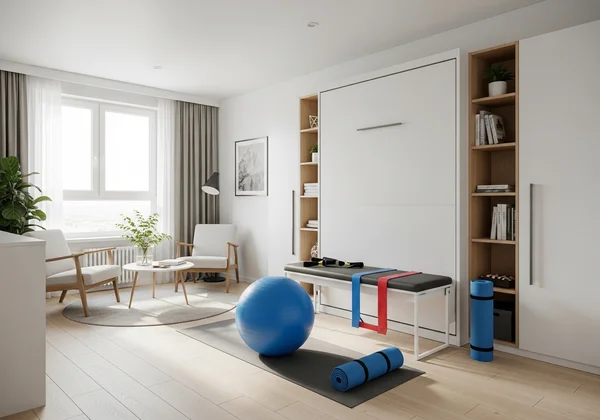
- Murphy Beds: Fold up completely—perfect for daytime therapy spaces
- Space-Saving Bases: Wall-hugging mechanisms preserve floor space
Curious how much clearance your room needs? Generate your personalized room layout.
Specialized Mattress Features for Enhanced Accessibility
Beyond size, these engineering details make tangible differences in daily life.
Split Mattress Options for Side Transfer Support
- Split King: 2x Twin XL units allow independent adjustments—vital for couples managing different conditions
- Dual-Firmness Systems: Pair soft/medium sides to accommodate post-surgery positioning needs
Discover which split configuration suits your mobility profile.
Mattress Edge Support and Its Accessibility Benefits
- Foam-Encased Edges: Prevent "roll-off" sensations during transfers
- Heightened Perimeter: Creates a safer "cradle" effect—look for ≥10" (25cm) sides
- Low-Compression Materials: Maintain structural integrity over years of wheelchair transfers
The Final Analysis
Finding your ideal accessible bed size requires balancing medical needs, spatial constraints, and personal comfort—a complex equation our free recommendation tool simplifies. By analyzing your mobility devices, transfer habits, and caregiver requirements, we generate customized mattress dimensions that promote safety without sacrificing restful sleep. Don’t compromise on independence—find your perfect accessible fit today.
Your Questions, Answered
What is the ideal bed height for someone with mobility challenges?
Match wheelchair seat height (typically 18"-20"/46-51cm) ±1". Our height calculator personalizes this based on your equipment and transfer technique.
How do I measure my bedroom for accessibility needs?
- Clearance zones: 36" (91cm) around bed, 32" (81cm) doorway minimum
- Use flexible tape—corners and alcoves impact maneuverability
Download our accessibility measurement guide
Are special mattresses required for adjustable bed frames?
Only certain materials (latex, memory foam) flex properly—avoid traditional innersprings. See frame-compatible sizes.
Can a standard king bed be made accessible?
Yes! Add bed rails (10"-20" height), platform steps with handrails, or modular risers—explore modification options.